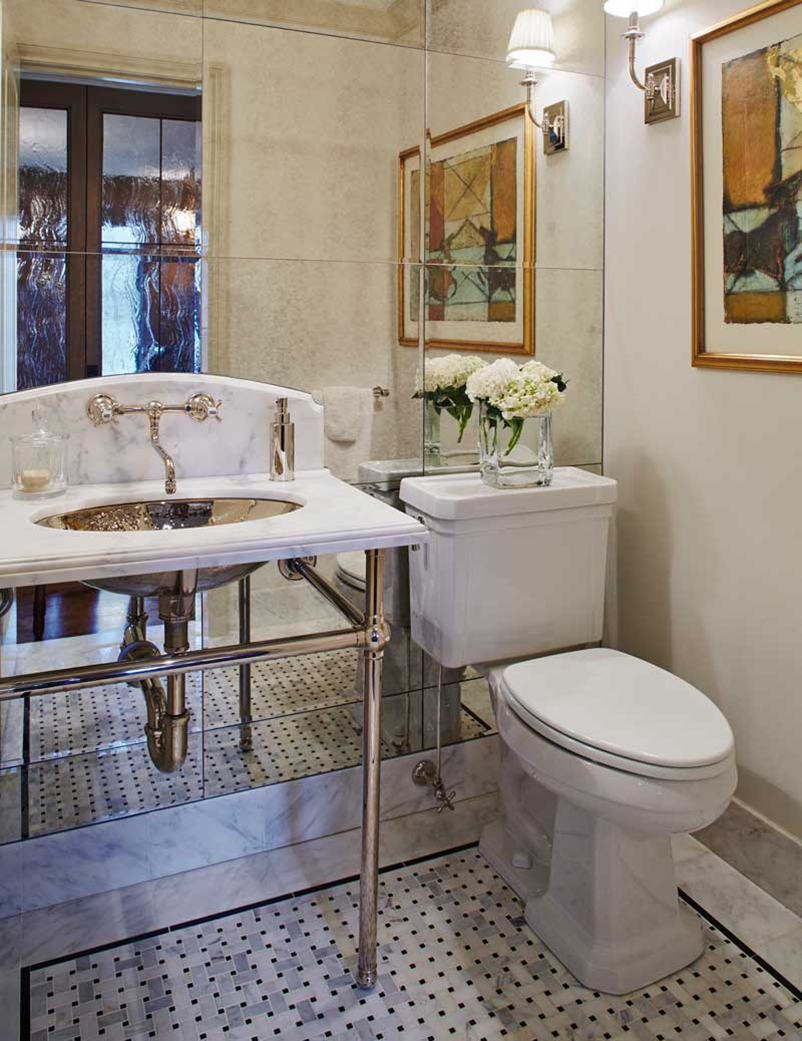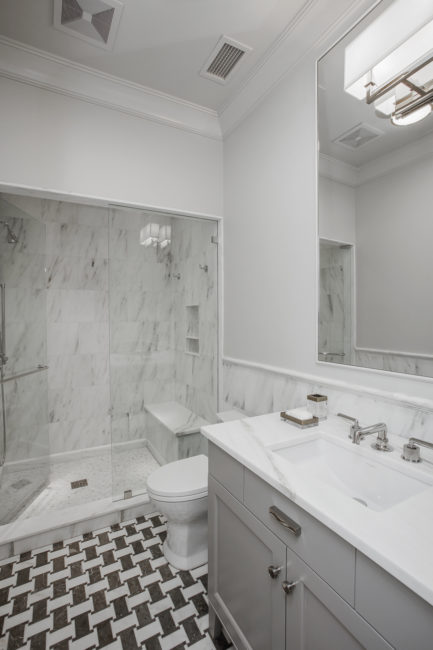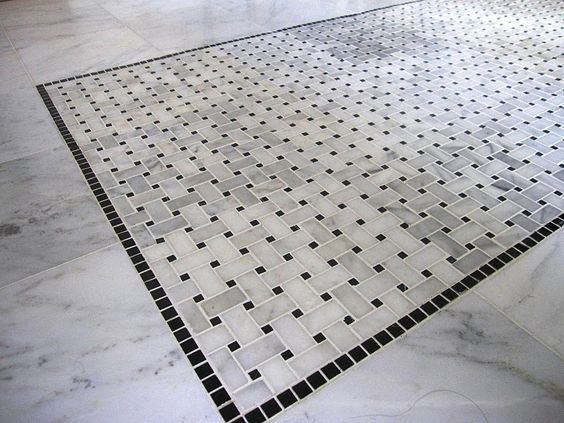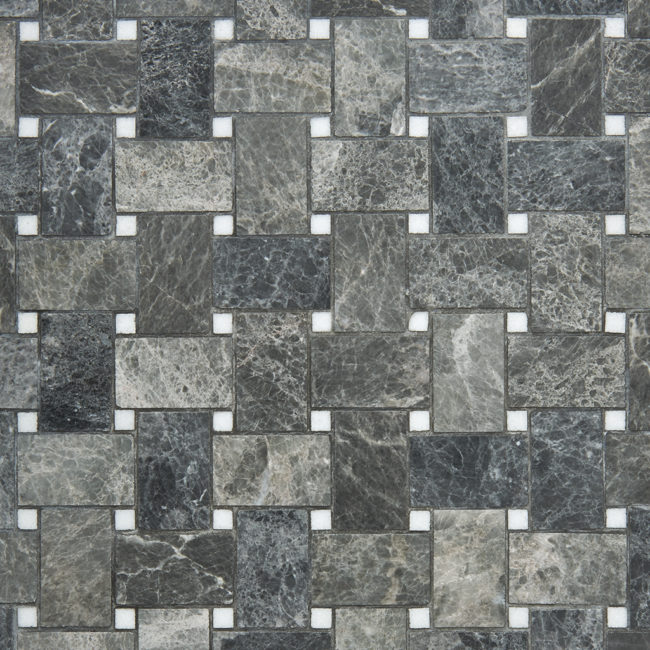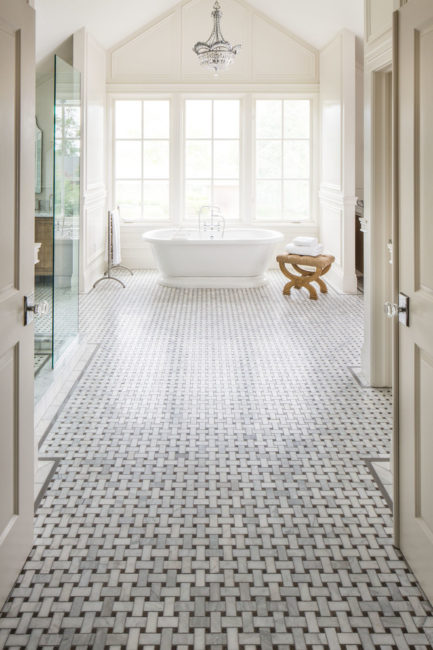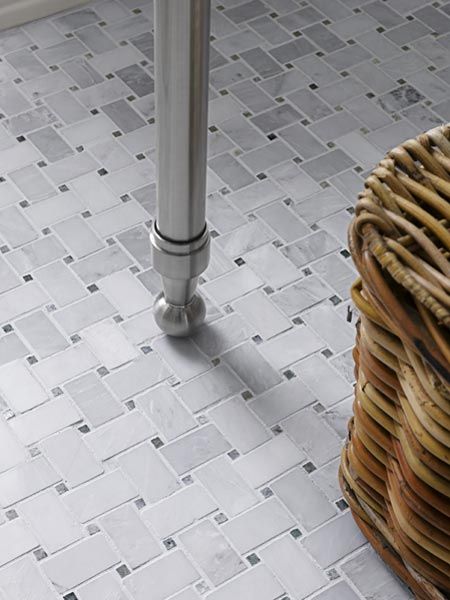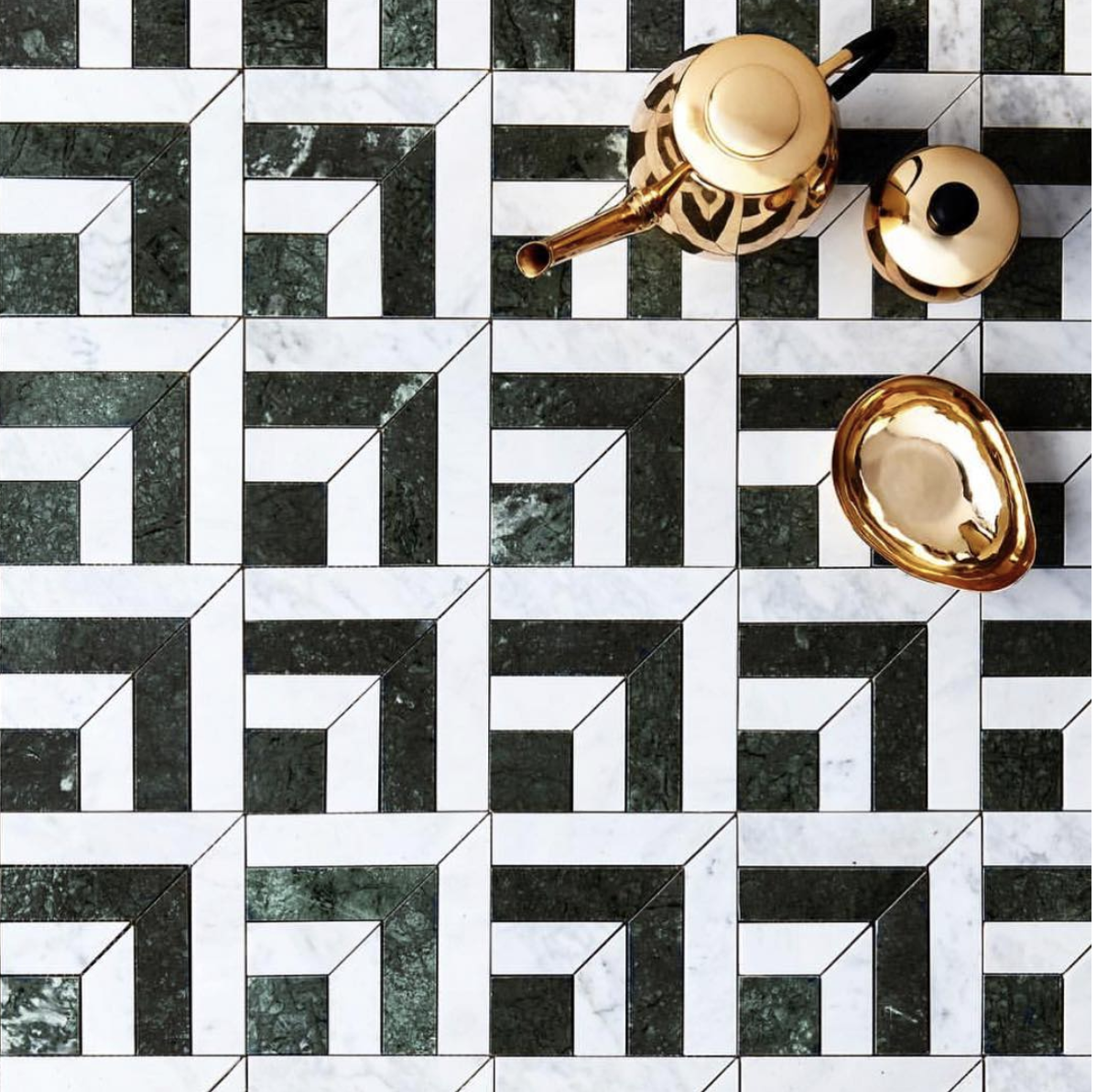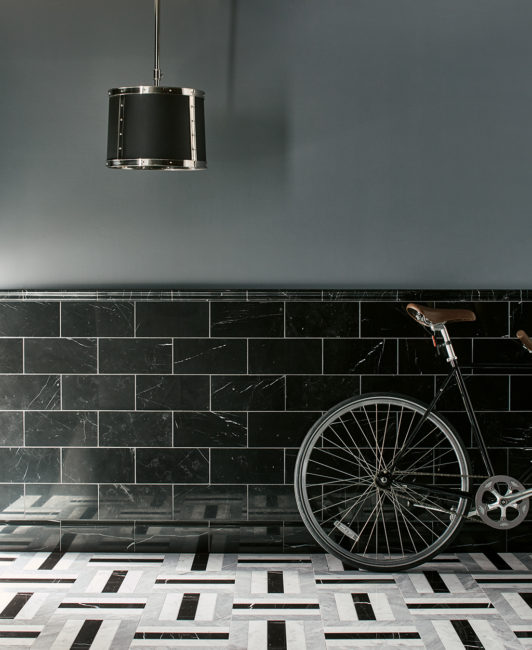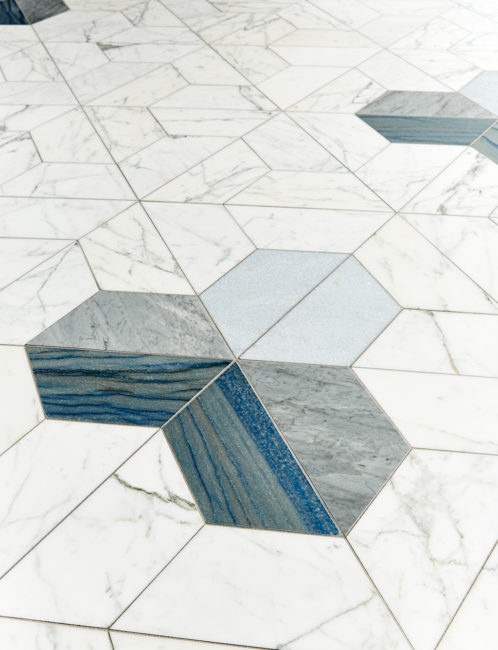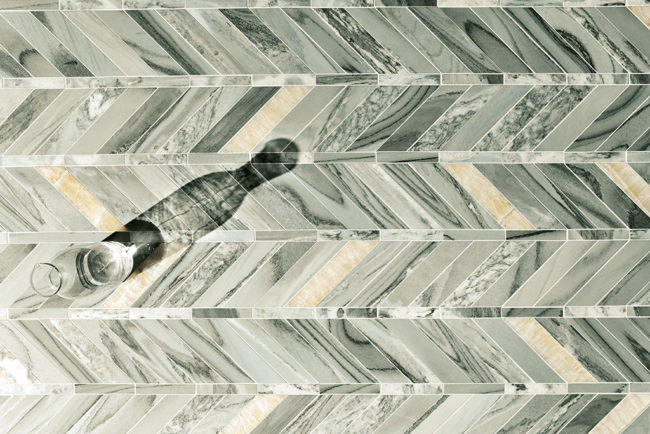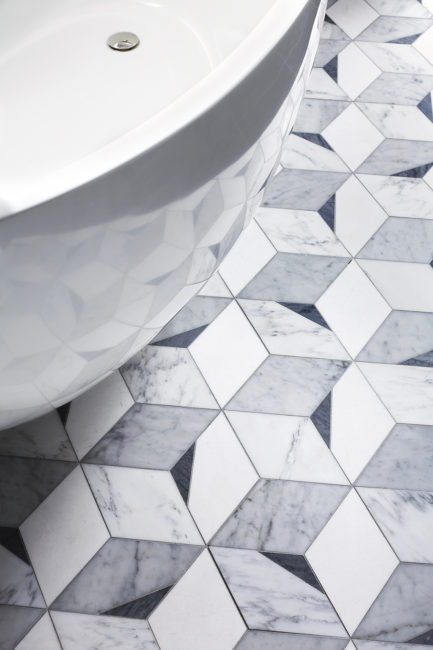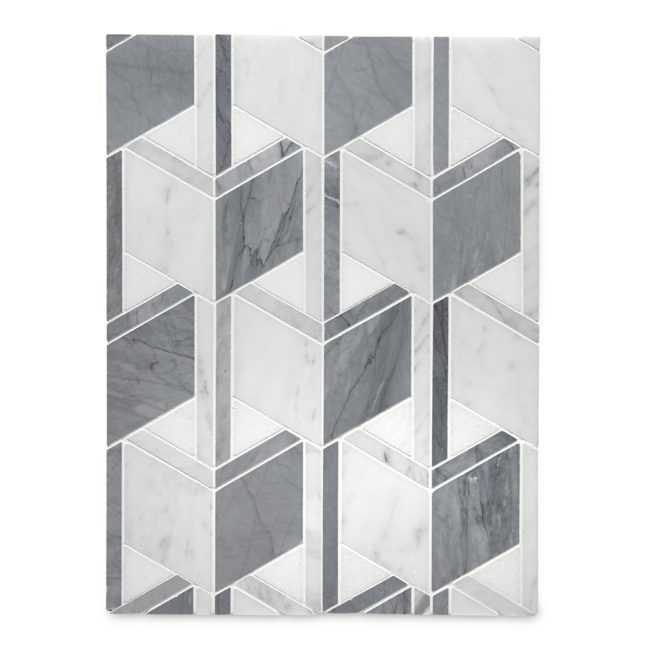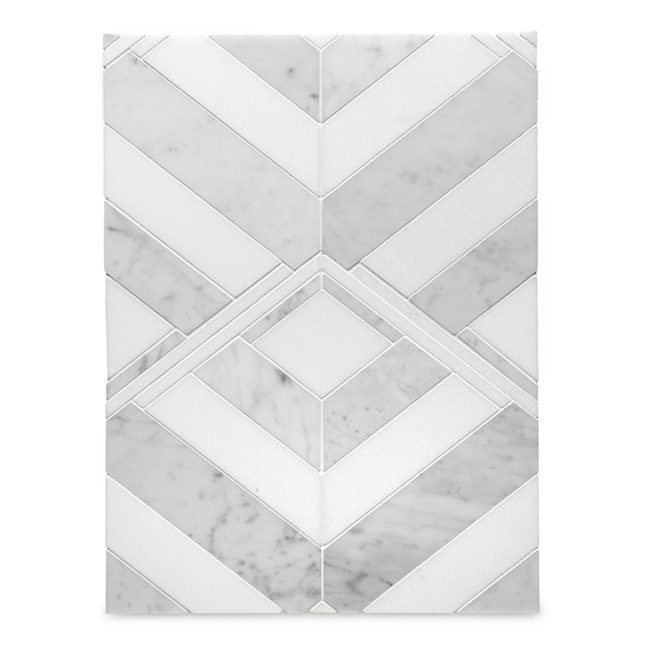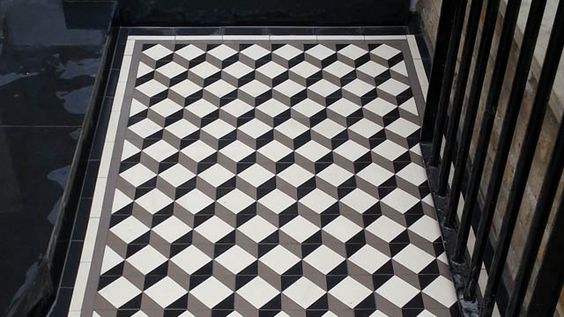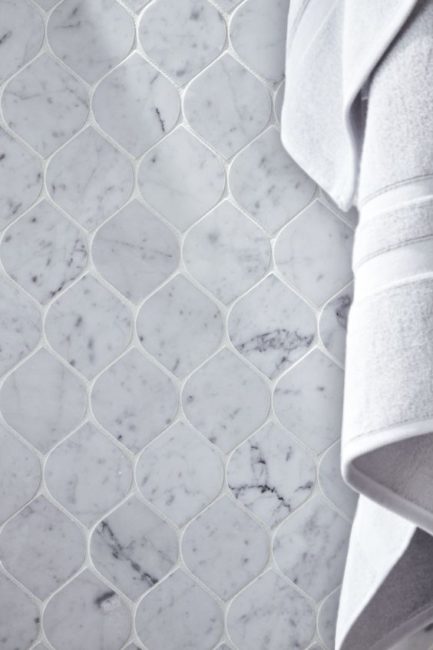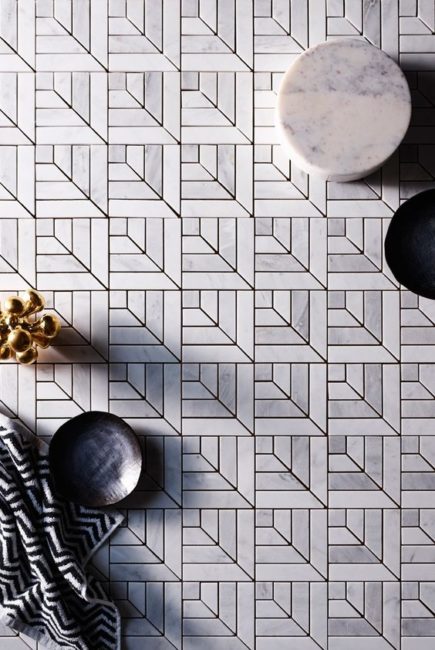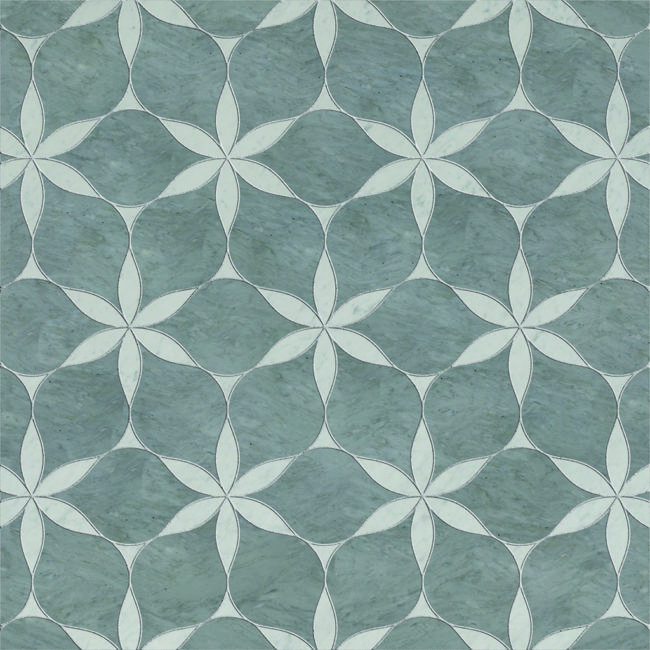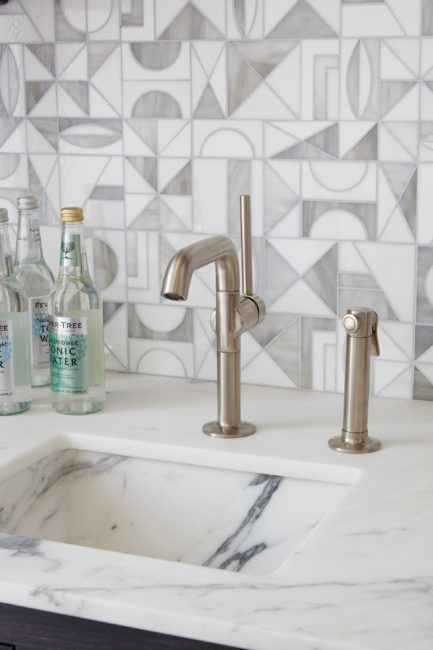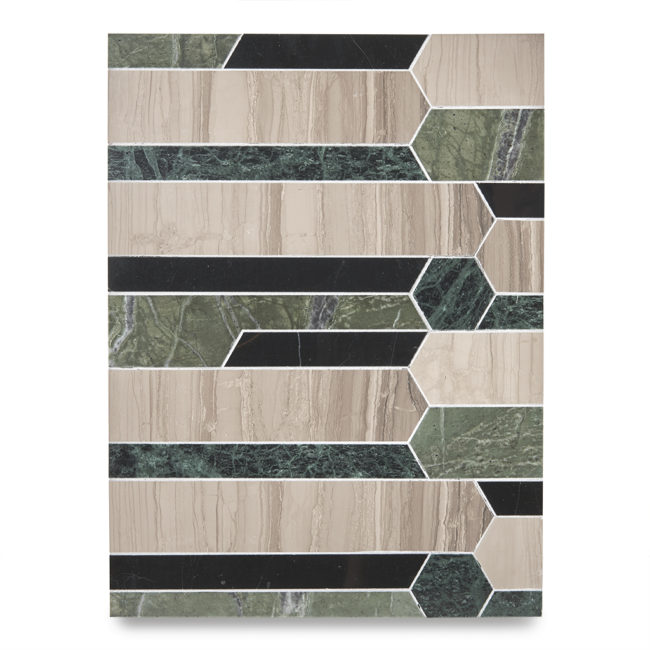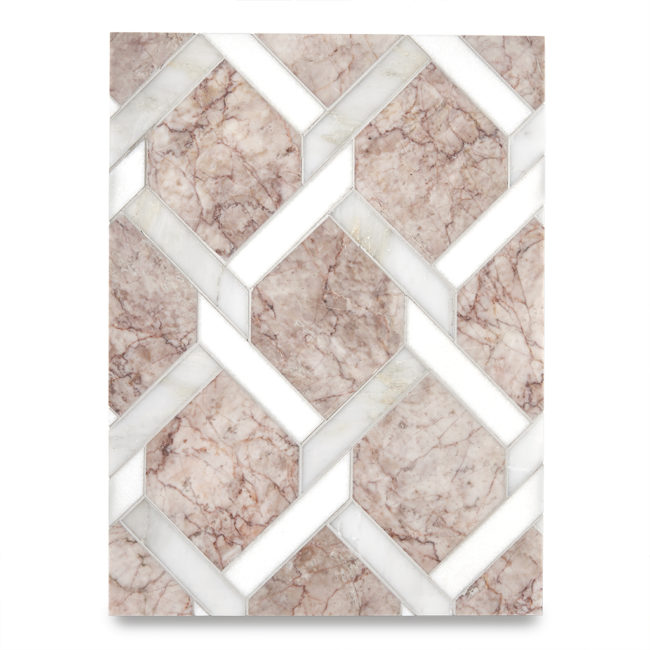








Those of you, who know me, know I have a tile fetish (probably easier to manage than one for shoes). I love the natural ingredients from which tile is made; earth-dug clays, silica, sand and water. I also love the fact that clay can be transformed by the human hand into an object of enduring beauty. It can be squeezed and molded into any shape and applied to many surfaces. And tile grids provide the opportunity to configure a square or rectangle into impressive wall patterns.

Tiles have an interesting history. They have been used since antiquity as architectural fixtures and embellishment of walls, floors, and ceilings. They have lined the inner chambers of the pyramids, decorated churches and abbeys in medieval England, mosques and palaces from Seville in Moorish Spain to Central Asia. They are found in Victorian butcher shops and English pubs. And we are all familiar with the beautiful blue and white delft tiles of Holland as well as the bright tiles of Mexico, Spain and Portugal.
While the raw materials are nearly all the same, glazes change the character of the tile after firing by creating texture and shading. Glazed ceramic tile is a material that feels inherently clean, is great for managing moisture and heat, and is durable and sustainable.
There are thousands of choices of ceramic tiles for your bath, kitchen, fireplace, pool or back splash. To help with your selection, you might want to focus on either hand-made or dust-pressed (machine) tile. Your choice of moldings and trim pieces, much like the wood molding in the rest of the house, will determine the success of the installation.
Yet beyond the type of tile you select, it’s the visual interplay of tone, pattern and texture that validates the medium as a decorative force. Color is always a factor in the architectural direction of a space and this is especially true with tile. There is often variation in shade from tile to tile depending on the transparency of the glaze. The subtlety of the color shift and the skill of the installer in managing the shading can effect the end result.
Before you make your selection, take some time to educate yourself about the material, the finishing pieces and grout colors. Since it’s an architectural material and permanently installed, it’s important to make your choices early in the design process.
A final word; your tile will provide lasting pleasure only if the installation is meticulous. This means that grout joints are small, the tile installations are balanced without unsightly cuts, the variation in color is well blended, and the grout is tested before it is permanent. The success will come when you have been part of the process and there are no surprises at the end!
I’m delighted to share some of my favorite antique tiles and show you some beautiful installations.
Images courtesy of: Tiles: 1,000 Years of Architectural Decoration, Waterworks Inventing Bath Style, and the Westchester Dream Home 2009 by the Murphy Brothers.
Waterworks 58th Street Showroom installation features tiles from Architectonics and Echo . Both collections have a wide assortment of sizes, patterns, and colors.